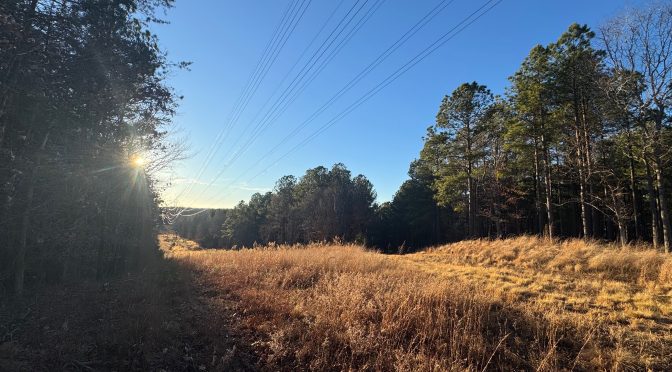
Even when I was a kid I dreaded June 21.
The first day of summer? What kid dreads the start of summer?
Not summer per se. Rather, what that “start” represented.
The demise.
The demise, curiously, of sunlight. For June 21 (or thereabouts) marks the longest period of daylight of the year: 14 hours and 39 minutes. But from then on we start getting shortchanged, imperceptibly at first, on sunshine. A few seconds a day at first. At the end of June, the sun set at 8:37 p.m.; tonight (Sept. 3), it will be down at 7:42 p.m. By the end of September the sun will set at 7:02 p.m. and come Halloween it will be down at 6:22 p.m. Let’s not even talk about November and the end of Daylight Saving Time.
Suffice it to say we are losing our chance to play after work. And we need to embrace these waning hours of midweek opportunity. Below, some tips to help you do so:
- Get a headlamp. Just because it was still light on your evening hike last week doesn’t mean it will be this week. That rapidly diminishing sunlight coupled with distractions along the way all add up to finishing in the dark if you aren’t paying attention. You can get a decent headlamp for as little as $20. Note that LEDs cast a more hike-friendly light. Be sure to pack both extra batteries and a spare light (a pen light will do) so you can see to change out your batteries should the need arise.
-
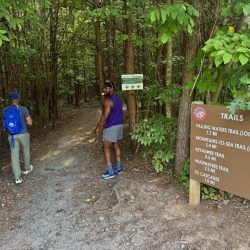
A network such as the Cascades Nature Preserve in Oak Ridge makes for a perfect evening escape. Pick short hikes. Reduce the odds of getting short-changed on sunlight by choosing shorter trails. Right now, a good length for me personally is 2-3 miles.
- Hike trails you’ve hiked in daylight. Familiarity is a big plus. You’ll be amazed at how things you didn’t think you noticed during the day will pop out as welcome landmarks on an evening hike.
- Beware the gloaming. There’s a curious period between official sunset and the disappearance of twilight, about 15 minutes or so, when seeing can be a challenge. Too much natural light for the headlamp to help, not quite enough to see well on your own. Go slow during this period. Better still, stop, look and listen to this transitional time in the natural world.
- Hike by your feet. In fading sunlight it takes a bit more effort to spot blazes. The best way to tell whether you’ve wandered off the beaten path is if your boots are suddenly sinking into soft, untrodden leaf litter. Backtrack and seek out firm footing.
- Pack a layer. Nights are cooler than days; you’ll be especially cognizant of this as we head into fall. Counter the chill by packing an extra layer — and don’t be afraid To throw it on at the first sign of cool.
- Don’t hike alone. I do a lot of soloing, but not with the prospects of dark looming.
- Take a map and compass. You should already have these in your daypack, but make extra sure you have them in the evening, even on a trail you think you know well.
- Take water and snacks. Just because it’s the cool of the evening doesn’t mean you can’t get dehydrated. Nor does it mean you couldn’t use some extra fuel.
- Take a cell phone, just in case. Besides, most phones have a flashlight function that could save you in a pinch.
- Appreciate the evening sky. We get some great sunsets this time of year, often highlighted by billowing clouds. Take a minute to appreciate the end of another day.
An end of day made even more special on the trail.
* * *
More info
- GetHiking! Guide to Night Hiking. For more tips on hiking in the evening and at night, check out our GetHiking! Guide to Night Hiking. Find it here. Download by Sept. 10 and enter NightFree at checkout to get the guide at no cost:
-

“Explore Your Neighborhood” “Explore Your Neighborhood with A Passeggiata.” Looking for something shorter and closer to home? This post explores the joys of a passeggiata, an after-dinner evening walk. Find it here.
- “Explore Your Neighborhood: A Guide to Discovering the World Around You.” Looking to keep your evening adventures close to home, but still want it on the wild side? Our guide offers tips on how to find these gems plus tips on local exploring. Find it here.